
Autumn leaves near Tokyo by car: where to go, and when
Autumn colour around Tokyo does not arrive all at once. It starts in the mountains of Nikko in early October and works its way down to the temples of Kamakura and the avenues of central Tokyo by early December. That long window is good news, because it means there is almost always somewhere at its best. The difficulty is that everyone else knows it too, and the most famous roads and buses are packed on autumn weekends. Here is where to go week by week, and how to plan the day so you see the colour rather than the traffic.
Early to late October: Nikko's high ground
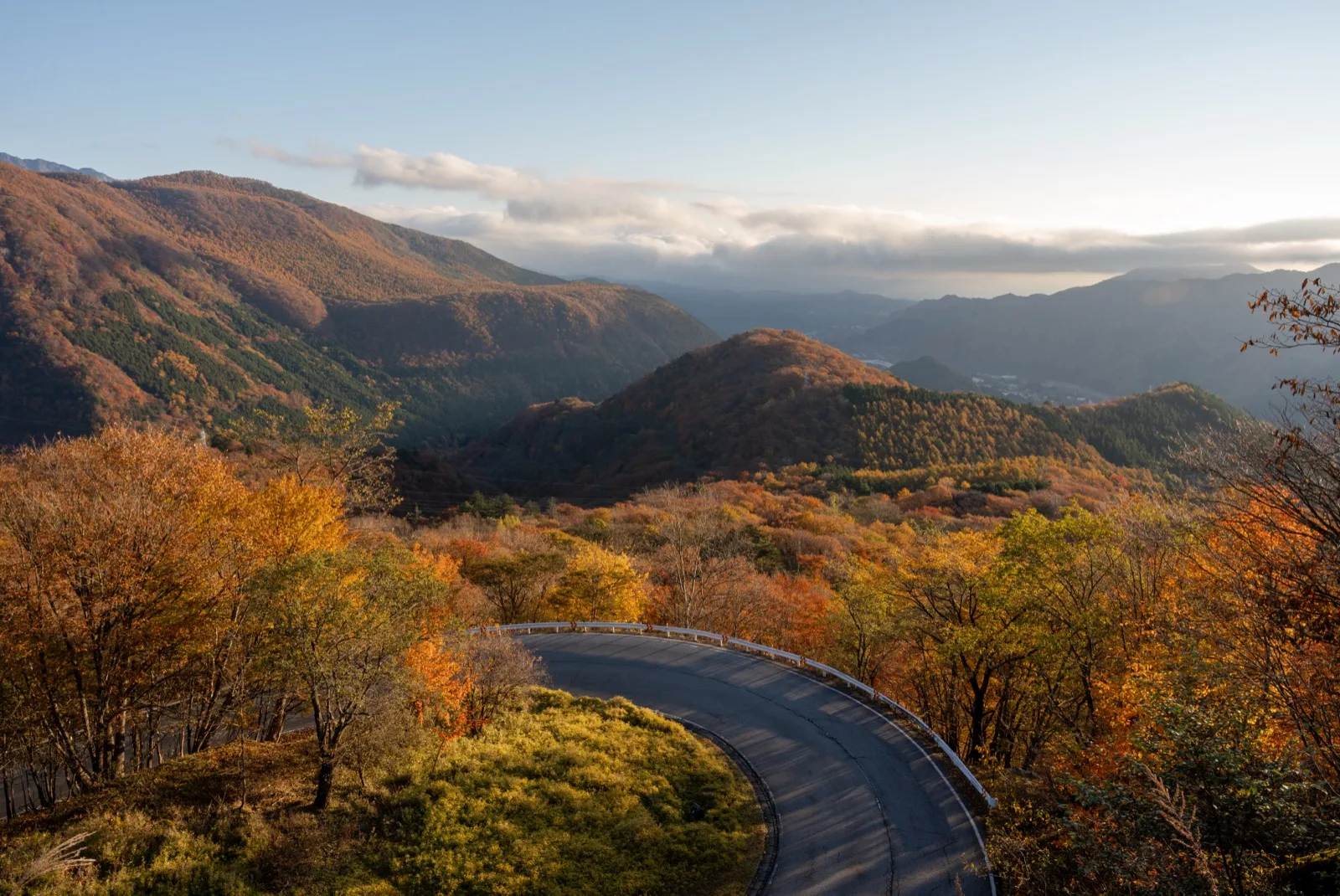
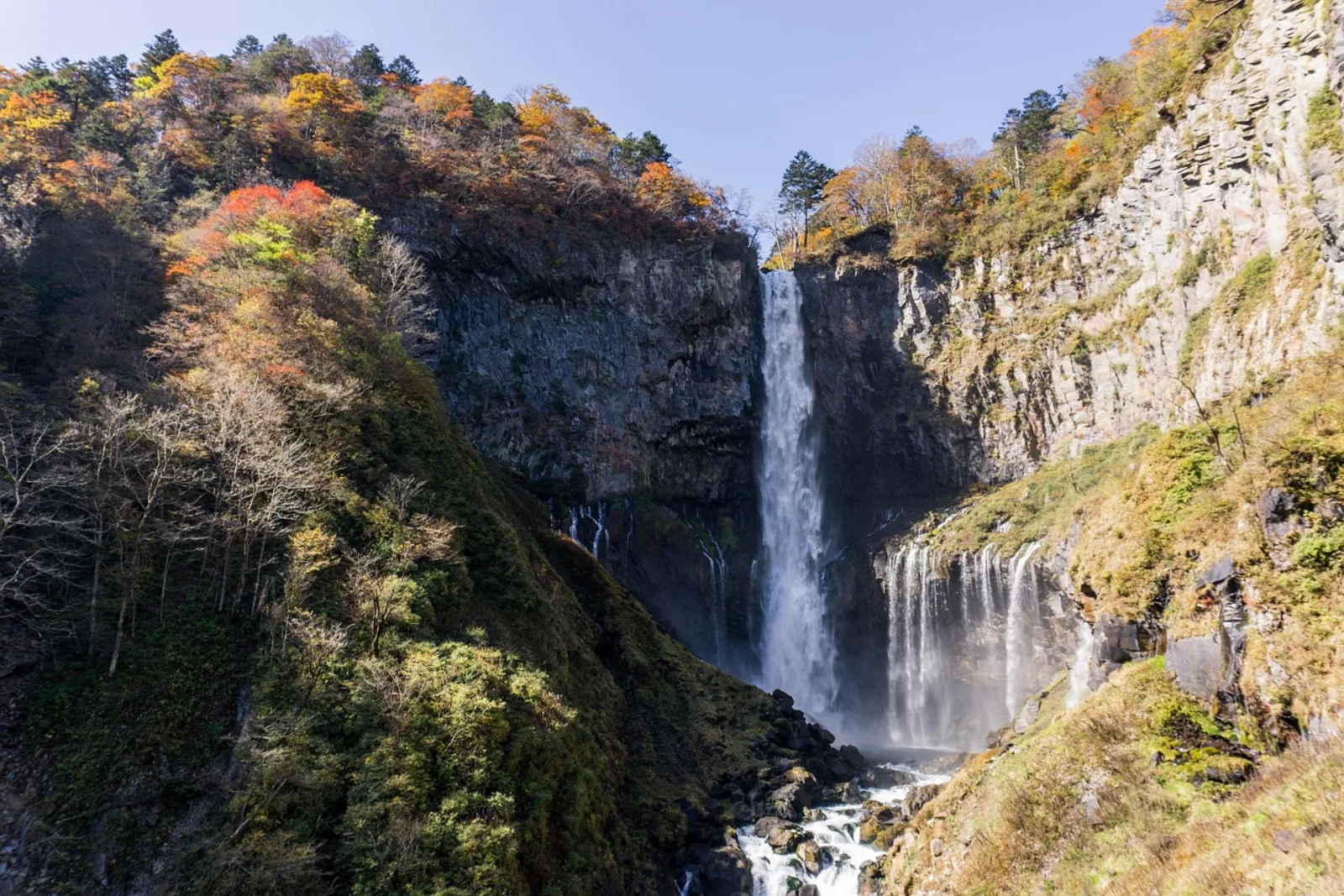
The season opens above Nikko. Senjogahara marsh, Yudaki Falls and the shores of Lake Chuzenji usually turn in the first half of October, and the colour reaches Kegon Falls and the Irohazaka road from mid to late October. Irohazaka is the pair of one way switchback roads, forty eight bends in total, that climb from the town to the lake, and on a clear morning it is one of the great autumn drives in Japan. Lower down, around Toshogu shrine and the Shinkyo bridge, the maples follow in early to mid November. Nikko is about two and a half hours from central Tokyo by car.
Late October to late November: Hakone
Hakone colours from the top down. The high ground around Sengokuhara, with its silver pampas grass fields, and the slopes near Owakudani turn first, from late October into early November. Lake Ashi, the Hakone shrine and the valley around Hakone Yumoto follow from mid to late November. Hakone is about an hour and a half from Tokyo, which makes it the easiest of the classic autumn trips, and also the busiest.
November: Mt Fuji and Lake Kawaguchiko
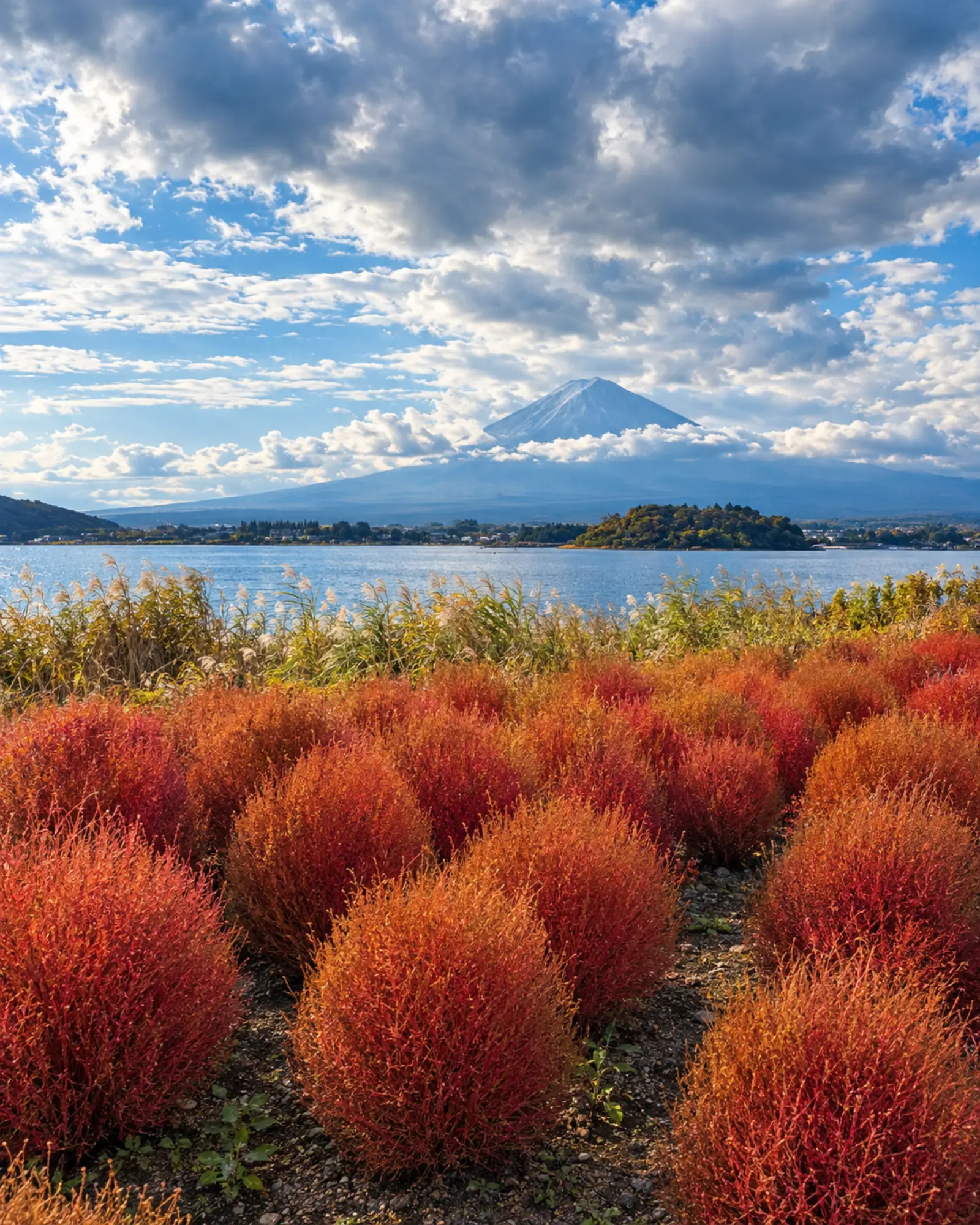
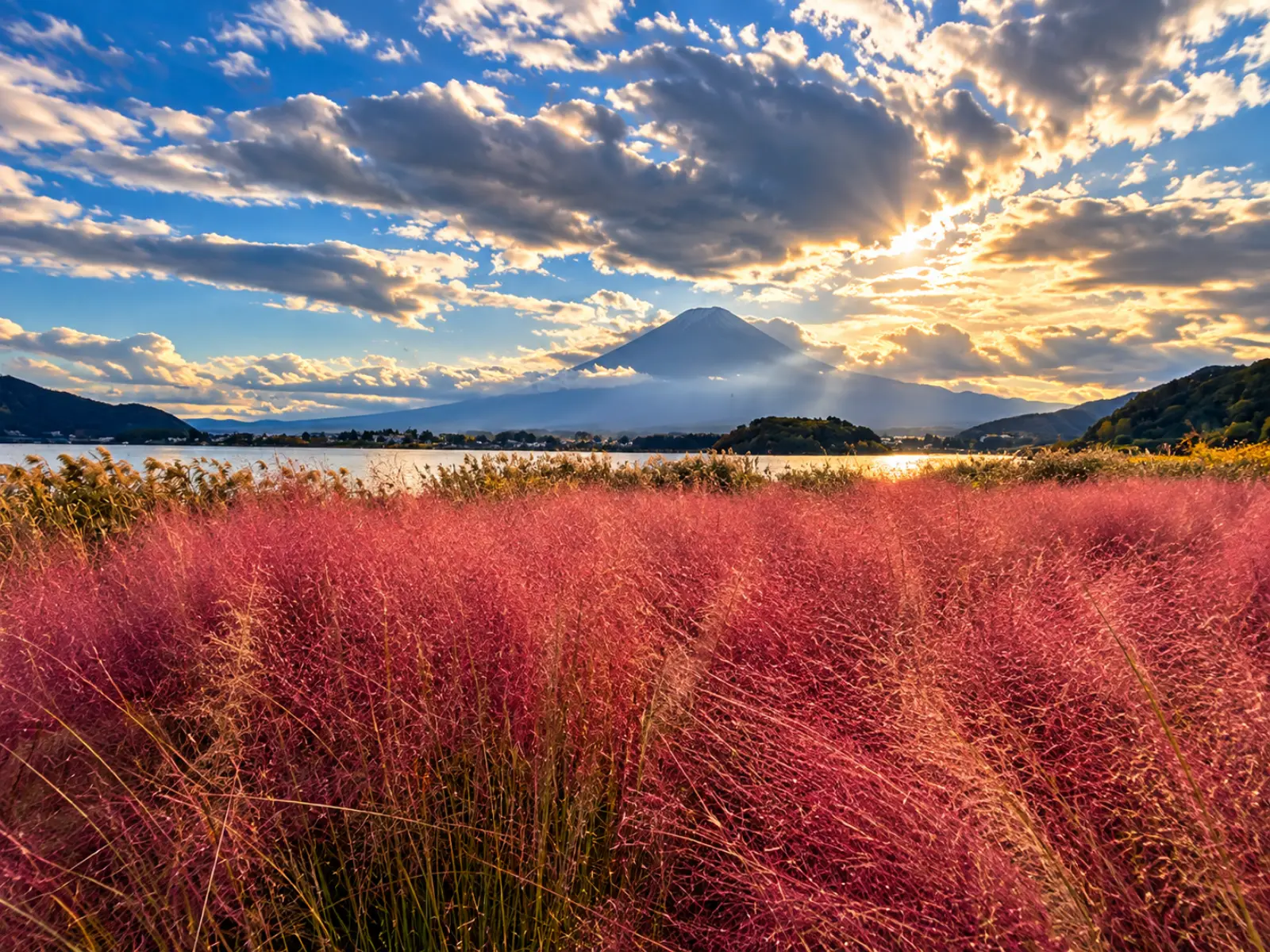
November is the month when Mt Fuji and red maples share the same frame. On the north shore of Lake Kawaguchiko, the Momiji Corridor is a tunnel of maples beside a stream, and during the autumn leaves festival, usually held in November, it is lit up after dark. Pair it with the Chureito Pagoda and Oshino Hakkai for a full Fuji day. Mornings give the best chance of a clear view of the mountain, so this is a trip that rewards an early start.
Mid November to early December: Takao, Kamakura and Tokyo itself
Mt Takao, in the west of Tokyo, peaks around mid November and is easy to reach by train, so it does not need a car. Kamakura's temples, Engakuji, Hasedera and the quiet valley temples, colour from late November into early December, and pair well with the coast at Enoshima. In the city, the ginkgo avenue of Jingu Gaien turns gold in late November and early December. Forecasts for 2026 place Tokyo's peak around the end of November, and expect a warmer than average autumn, which can push colours a little later everywhere.
Why a car makes the difference in autumn
Autumn weekends bring the worst traffic of the year to exactly these places. Irohazaka and the roads into Hakone can back up for an hour or more, and local buses fill to standing. A car does not make the traffic disappear, but it gives you three advantages. You can leave at dawn and be at the high ground before the coaches arrive. You can switch destination the evening before, following the colour reports and the weather, instead of being tied to a fixed tour. And the chauffeur waits for you at every stop, so there is no queue for a bus back. If you can travel on a weekday, do: it changes the day completely.
Planning the day, and the price
A Nikko, Hakone or Mt Fuji autumn day is a ten hour trip from your Tokyo hotel, from ¥157,500 for the Toyota Alphard with up to four guests. Kamakura and Enoshima fit into eight hours, from ¥126,000. Tolls, parking and fuel are included, and the price is confirmed in writing before you travel. Your chauffeur can speak English, Italian, Spanish, French or Japanese, at the same price. Tell us your dates and we will suggest the place most likely to be at its best that week.
Frequently asked questions
When is the best time to see autumn leaves near Tokyo?
From early October to early December, depending on altitude. Nikko's high ground comes first in October, Hakone and Mt Fuji follow in November, and Kamakura and central Tokyo finish the season in late November and early December.
What is the best autumn leaves day trip from Tokyo?
For pure colour, Nikko in mid to late October. For colour with Mt Fuji in the same view, Lake Kawaguchiko in November. For the shortest drive, Hakone. For temples close to the sea, Kamakura in late November.
Is the traffic on Irohazaka really that bad in autumn?
On peak weekends it can be, with queues of an hour or more. Going on a weekday, or leaving Tokyo early enough to climb the road before about 9:00, avoids most of it.
Can we see Mt Fuji and autumn leaves on the same day?
Yes. In November the maples around Lake Kawaguchiko, including the Momiji Corridor, and the Chureito Pagoda frame Mt Fuji. Clear views are most likely in the morning.
How much is a private autumn leaves tour from Tokyo?
A ten hour day to Nikko, Hakone or Mt Fuji starts from ¥157,500, and an eight hour day to Kamakura from ¥126,000, for the whole car with tolls, parking and fuel included.