
A shopping day in Tokyo with a private driver: three routes that work
Tokyo's best shopping is spread across districts that are a short drive apart but a long walk with bags: Ginza, Omotesando and Aoyama, Harajuku and Shibuya, Asakusa and Kappabashi. A chauffeur turns them into one easy day. To be clear from the start, this is a driver by the hour or for the full day, not a personal shopper: you choose the shops, he gets you there, keeps the bags safe and collects you at the door. Here are three routes guests often ask for.
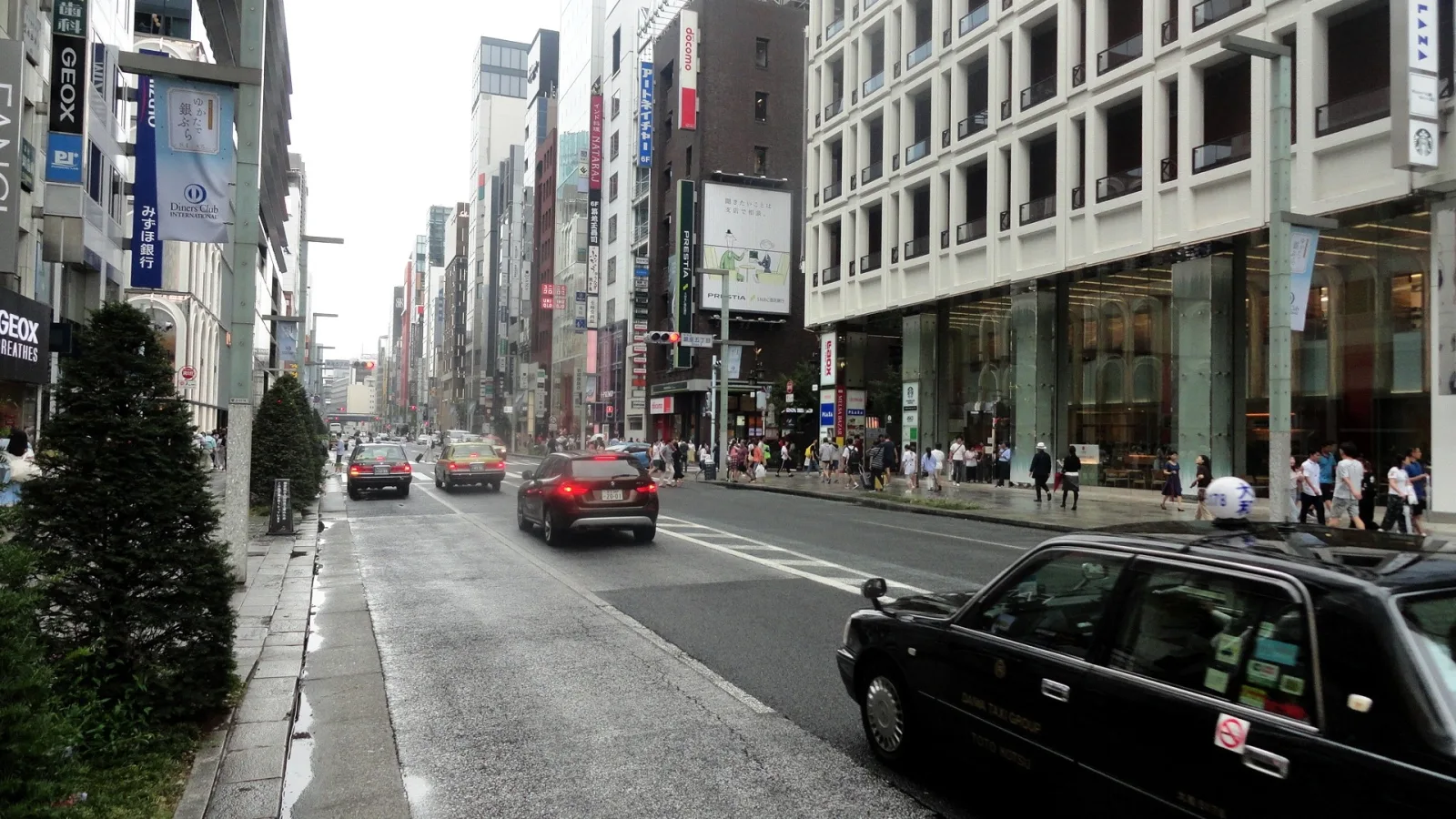
Route one: the luxury day
Start in Ginza at 10:00, when Mitsukoshi opens; the shops at Ginza Six usually open at 10:30 and Matsuya at 11:00, so check each official site. Then the flagships along Chuo-dori and Namiki-dori. Lunch in Ginza around 12:30. At 14:00 the car takes you to Omotesando and Aoyama for vintage: AMORE runs several boutiques there, two specialised in vintage Chanel and two in Hermès, Louis Vuitton and other houses, and you can book a visit on their website. Finish on Omotesando boulevard among the flagships under the zelkova trees, and be back at your hotel around 18:00. It is a full day of about eight hours.
Route two: Japanese design and fashion
Begin at 11:00 at Omotesando Hills and along the boulevard, then explore the Aoyama backstreets, home to Japanese and international designer flagships and small boutiques. After lunch, the car drops you at one end of Cat Street, a narrow lane that is better on foot, and meets you at the other end in Shibuya. On the way, the Harajuku backstreets are full of vintage and secondhand shops. Finish at Shibuya Parco and around Shibuya until about 17:00. Six hours by the hour usually covers it. Shimokitazawa is also lovely for vintage, but its lanes are narrow: the car leaves you at the edge and waits.
Route three: food, knives and souvenirs
Go on a Monday, Tuesday, Thursday, Friday or Saturday. Tsukiji outer market's public hours start at 9:00 and many shops close by 14:00; on Sundays and national holidays many are closed, and some also close on Wednesdays, so check the calendar on the market's official site. At 11:00 continue to Kappabashi, the kitchenware street, for Japanese knives, pottery and plastic food samples; most shops there keep roughly daytime hours and many close on Sundays. Lunch in Asakusa and souvenirs on Nakamise-dori, then a depachika, a department store food hall, for sweets and gifts, and Don Quijote for snacks and cosmetics. Back at the hotel by about 17:00. Pack knives in checked luggage, never in the cabin.
Practical tips
Most shops usually open at 10:00 or 11:00 and close at 20:00 or 21:00; check each store's official site. Weekends are busier everywhere, and in Ginza Chuo-dori becomes a pedestrian zone on Saturdays, Sundays and public holidays from midday until late afternoon, so the car drops you on a side street. From 1 November 2026 tax-free shopping in Japan works as a refund: you pay the price including 10 percent consumption tax, keep your receipts and register your purchases, and the tax is refunded at customs when you leave Japan, before check-in. Bring your passport when you shop. For very large purchases, ask the shop whether it can ship abroad before you pay, since not every shop does, conditions vary and shipped goods may be treated differently for tax-free.
By car, and the price
Your chauffeur drops you at each shop, keeps the bags safely in the car, waits and collects you at the door, and ends the day at your hotel. He is a driver, not a shopping guide: he will not choose, bargain or authenticate items. By the hour it is from ¥16,000 per hour with a two hour minimum; a full day of 8 hours is from ¥126,000, and 10 hours from ¥157,500. Tolls, parking and fuel are included. Your chauffeur can speak English, Italian, Spanish, French or Japanese, at the same price.
Frequently asked questions
Is a private shopping tour with a driver the same as a personal shopper?
No. Driven Tokyo provides a chauffeur by the hour or for the day. You choose the shops; he drives you there, keeps your bags in the car and collects you at the door.
Where is the best shopping in Tokyo for tourists?
Ginza for luxury flagships and department stores, Omotesando and Aoyama for designers and vintage Chanel and Hermès, Harajuku and Shibuya for street fashion, and Kappabashi and Asakusa for knives and souvenirs.
How much does a shopping day with a private driver cost in Tokyo?
From ¥16,000 per hour with a two hour minimum, or from ¥126,000 for a full day of 8 hours. Tolls, parking and fuel are included.
How does tax-free shopping work in Japan from November 2026?
You pay the full price including consumption tax, keep your receipts and register your purchases, and the tax is refunded at customs when you leave Japan. Bring your passport when you shop.