Tokyo's winter illuminations, seen properly, in one evening
From the middle of November Tokyo spends two months in light. Marunouchi runs champagne gold for more than a kilometre, Roppongi drops a blue slope towards a red Tokyo Tower, and Midtown fills its lawn with something different every year. All of it is free to walk through, and all of it is a long way apart. That is the whole problem this page solves: the displays are spread across three districts, they peak in the same two hours, and December evenings in Tokyo are cold enough that the walk between them is what people remember.
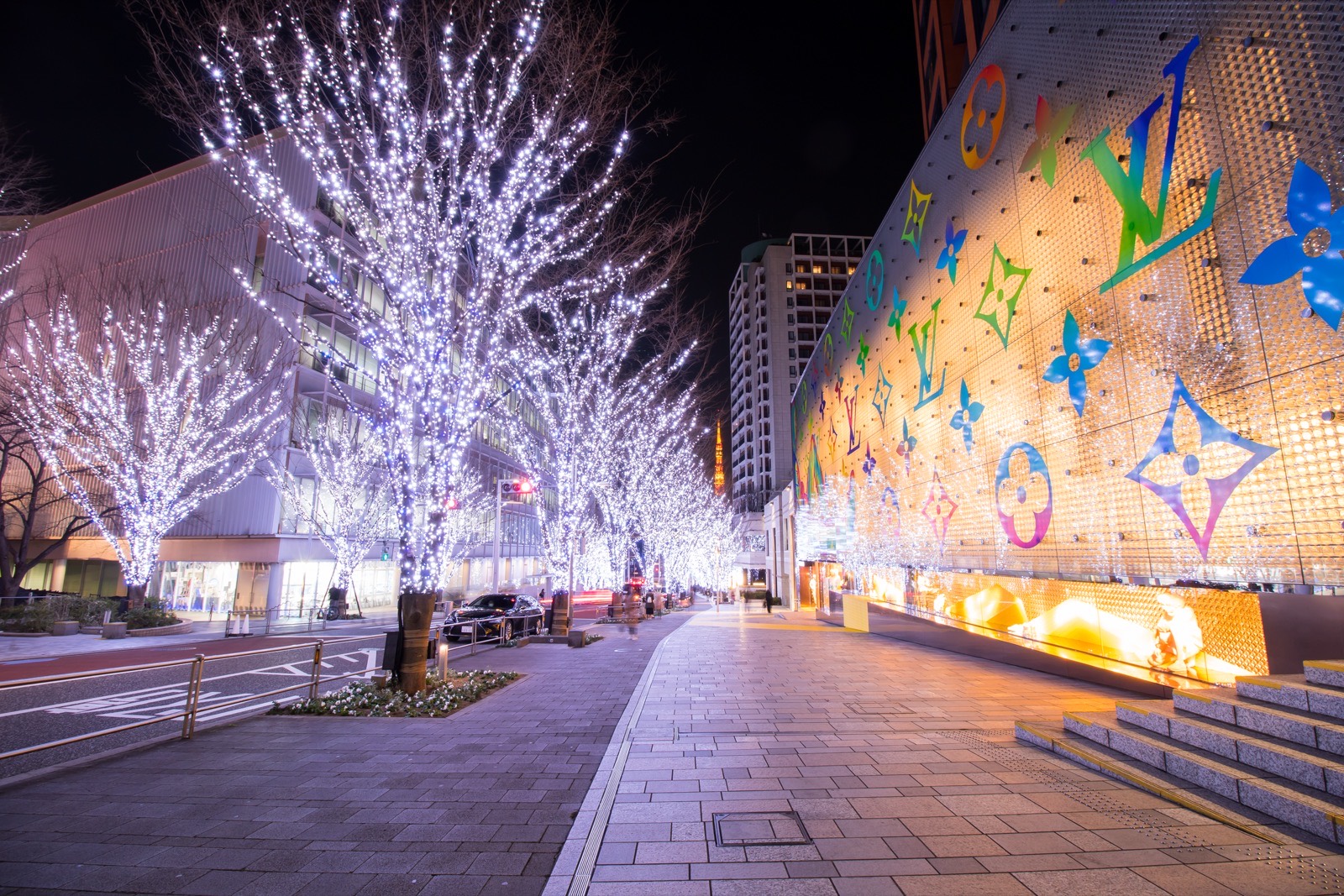
Marunouchi, the one to start with
Nakadori Avenue, the tree lined street between Tokyo Station and Hibiya, carries roughly 1.2 kilometres of champagne gold lights from late November until the middle of February. It is the longest running of the major displays and the most forgiving: it lasts into the new year when the others have gone dark, and it looks best walked slowly from one end to the other rather than photographed from a single corner. Start here at dusk, around half past five in December, when the sky still has colour in it and the lights have just come on.
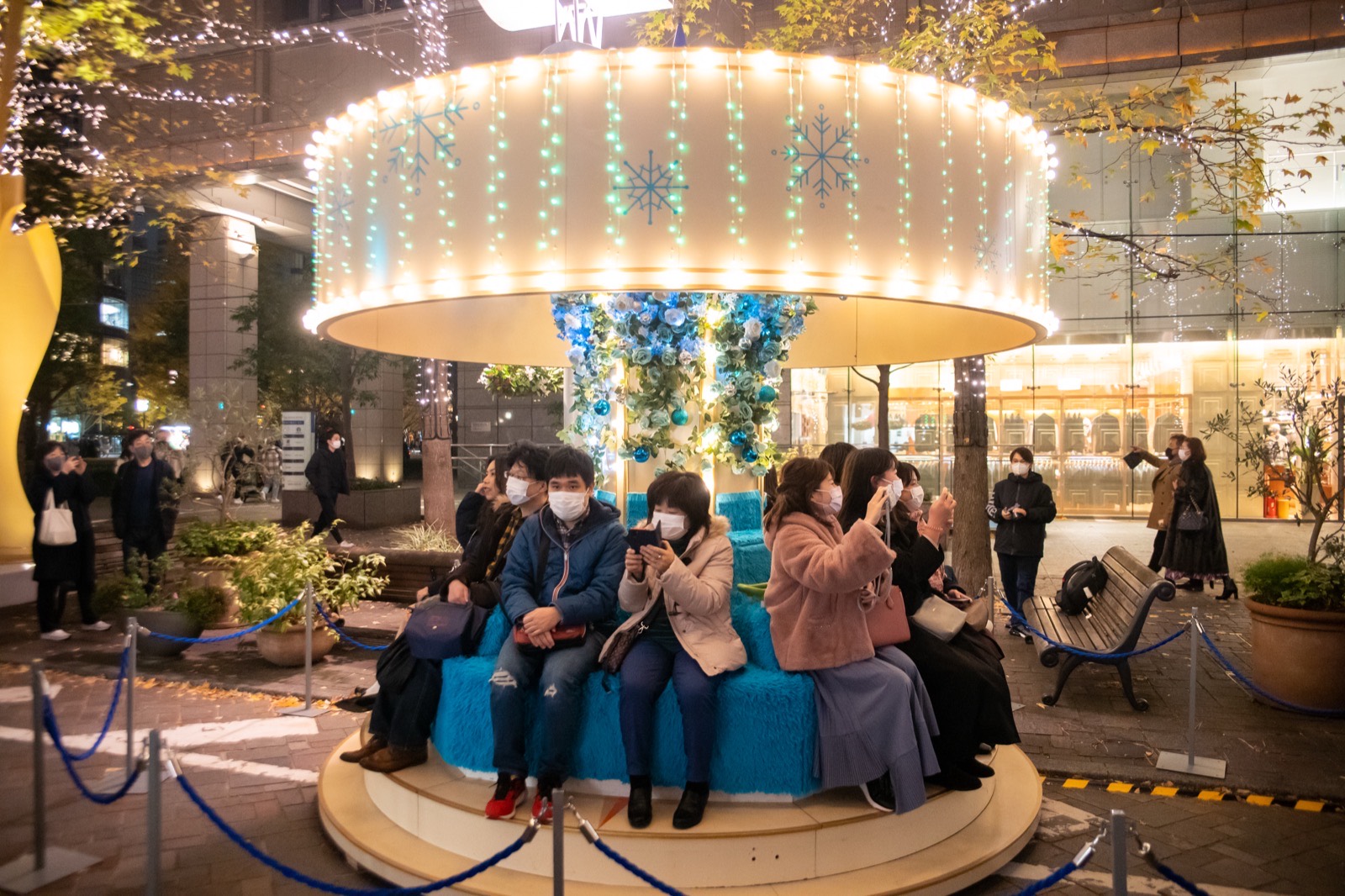
Roppongi Keyakizaka and Tokyo Midtown, twenty minutes later
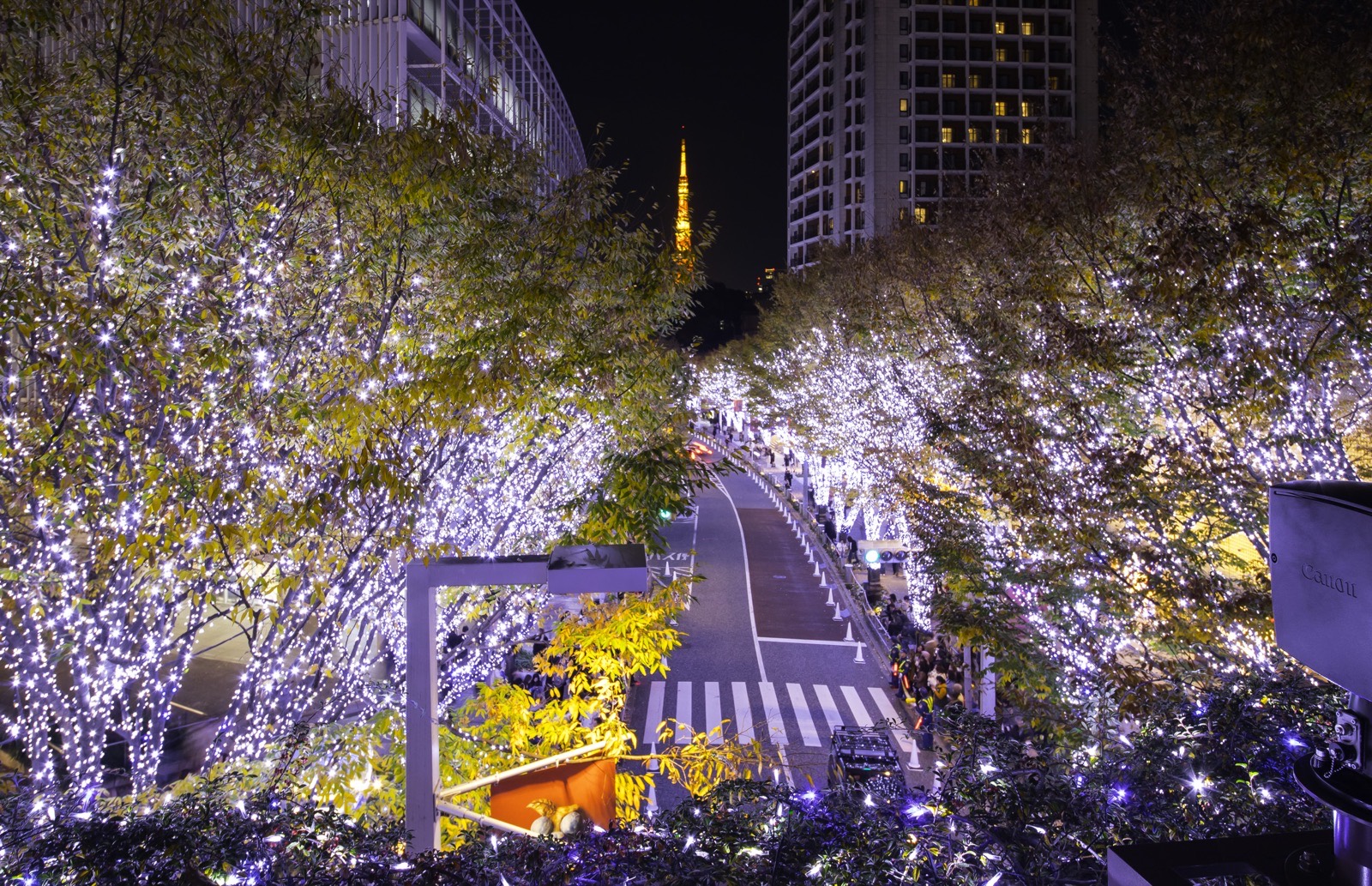
The Keyakizaka slope at Roppongi Hills runs four hundred metres of white and blue LEDs downhill, with Tokyo Tower burning orange at the bottom of the frame. It is the single most photographed winter view in the city and the reason to be there is the alignment, which only works from the upper half of the slope. Ten minutes on foot away, Tokyo Midtown lights its garden with a different installation each season. Midtown Christmas 2026 is listed for 26 November to 25 December, while parts of its Path of Light have run into late February in past years.
What is not confirmed, and why this page will not pretend
The major displays open within a few days of mid November every year and confirm their exact dates in October, so anyone publishing precise opening dates in September is guessing. Shibuya's Blue Cave, the blue tunnel through Yoyogi Park and Koen Dori, is undecided for 2026 according to Tokyo Metropolitan Government materials. If it runs it is worth the detour, and if it does not, the evening is better spent on the Marunouchi to Roppongi line. I confirm what is actually open in the week before your booking rather than the month before.
Why a car, when all of it is free to walk
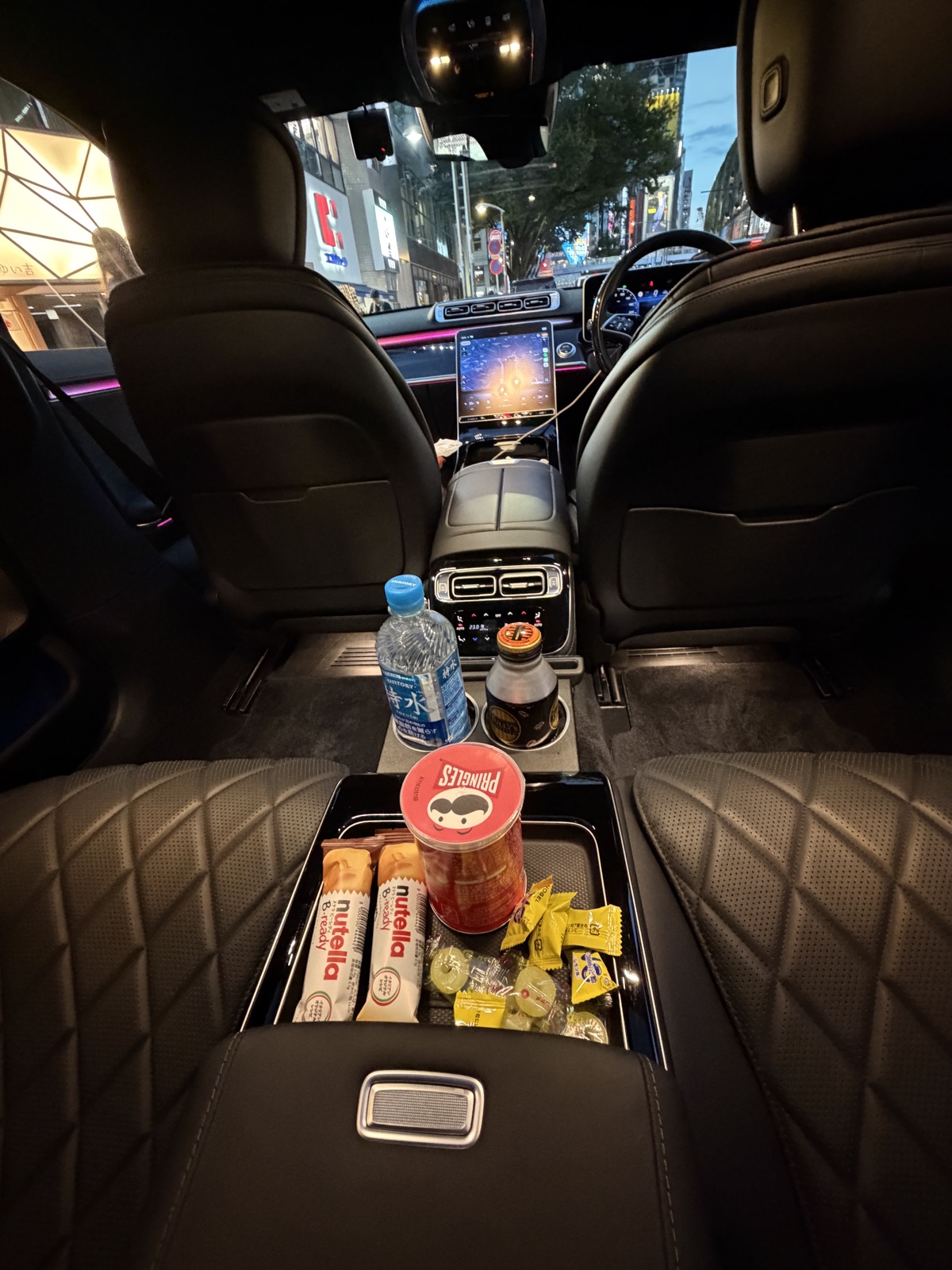
The displays cost nothing and the trains reach them all, so the honest answer is that a car buys you two things: the distance between districts in the cold, and the hours between six and nine when everyone else is doing the same journey. Marunouchi to Roppongi is fifteen minutes by car and a change of line with a walk at each end by train. With a car the evening becomes four stops instead of two, your coats stay in the vehicle while you walk each display, and nobody is deciding whether they can face one more station. Three or four hours covers it, and the chauffeur waits at each one.
Frequently asked questions
When do Tokyo's winter illuminations start?
The major displays open within a few days of mid November and confirm their exact dates in October. Marunouchi runs the longest, into the middle of February, while several of the others close on or just after Christmas.
Are the Tokyo illuminations free?
The street displays are: Marunouchi, Tokyo Midtown, Roppongi Keyakizaka and Shibuya's Blue Cave all cost nothing to walk through. Some ticketed garden displays outside the city charge admission.
How many can you see in one evening?
Three comfortably, four if you start at dusk and move by car. On foot and by train, two is realistic before the cold and the queues decide for you.
What is the best evening to go?
A weekday before the third week of December. Weekends in December put crowds on Keyakizaka deep enough to queue for the photograph, and the week before Christmas is the busiest of the year.
How much does a chauffeur for the evening cost?
From ¥16,000 an hour for the Standard class, with a minimum stated before you book. Three to four hours covers the main circuit. Expressway tolls and parking are included.