
Tokyo and Yokohama cruise terminals: which one is your ship, and how to get there
A cruise "from Tokyo" can leave from five different terminals in two cities, and they are far apart: Daikoku Pier in Yokohama is around an hour by car from the terminal at Odaiba. Before you book a hotel or a transfer, check which terminal your ship uses. Here is how the five work, which ships go where, and how to reach each one with cruise luggage.
Request a chauffeurAsk on WhatsApp
The five terminals at a glance
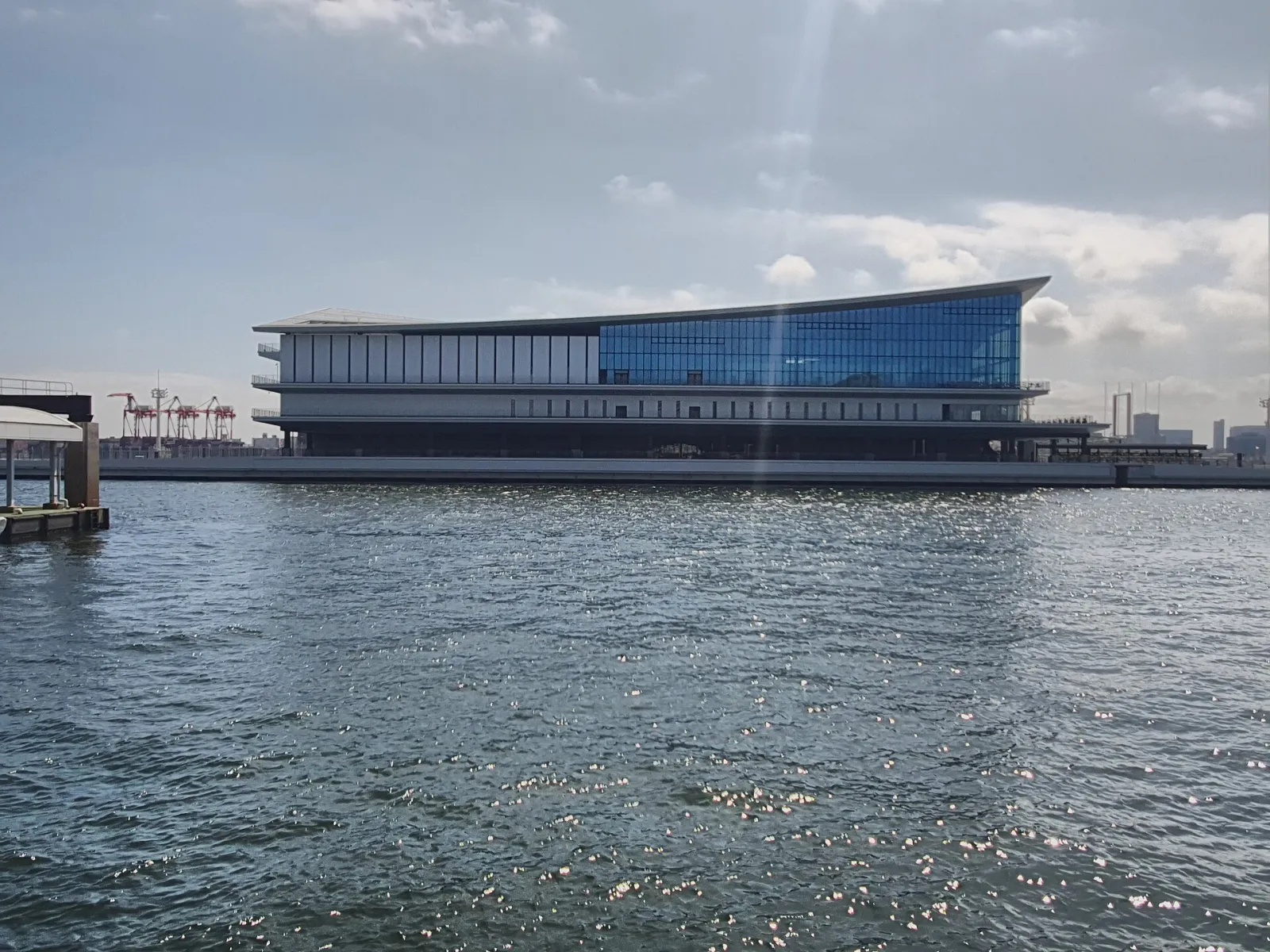
In Tokyo: the Tokyo International Cruise Terminal at Aomi, Odaiba, opened in 2020 for the largest ships, and the Harumi Passenger Terminal, reopened in June 2025 for small and mid sized ships.
In Yokohama: Osanbashi Pier, the main terminal beside Yamashita Park; Daikoku Pier, outside the Yokohama Bay Bridge, for the ships too tall to pass under it; and Shinko Pier, the Hammerhead terminal in Minato Mirai, for smaller ships.
Your cruise documents and the cruise line's app name the terminal. If they only say "Tokyo (Yokohama)", your ship is almost certainly in Yokohama.
Why the bridges decide
Two bridges choose the berth for most ships. In Tokyo, the Rainbow Bridge limits which ships can reach Harumi, inside the bay; the big ones berth at Aomi, outside it. In Yokohama, the Yokohama Bay Bridge does the same: ships that fit under it reach Osanbashi, in the city, and the tallest berth at Daikoku Pier, on the industrial island outside. That is why two ships of the same cruise line can leave the same day from terminals an hour apart.
Tokyo International Cruise Terminal, Aomi
The newest terminal, on the Odaiba waterfront, built for the largest ships and now one of Japan's busiest turnaround ports. The nearest station is on the Yurikamome line, which means changes and stairs with suitcases. By car it is around 20 to 30 minutes from Haneda Airport and around 20 to 40 minutes from most central Tokyo hotels. Private transfers to Tokyo's cruise terminals are at the Haneda fixed price.
Harumi Passenger Terminal
Closed for works in 2022 and reopened in June 2025, Harumi serves the smaller ships that pass under the Rainbow Bridge, often expedition and luxury lines. It is close to Ginza and Tsukiji, but no station is next to it. By car it is a short ride from central Tokyo and around 25 to 40 minutes from Haneda.
Osanbashi Pier, Yokohama
The classic Yokohama terminal, with its wooden rooftop deck over the harbour, beside Yamashita Park and a short walk from Chinatown. Most cruise ships calling at Yokohama berth here. By car it is around 30 to 45 minutes from Haneda and around 45 to 60 minutes from central Tokyo. See our Osanbashi cruise terminal transfer.
Daikoku Pier, Yokohama
The terminal for the giants, on the island outside the Yokohama Bay Bridge. It has no station and no pedestrian access: cruise shuttles, taxis or a private car are the only ways in, which makes it the terminal where a car matters most. Around 25 to 40 minutes from Haneda. See our Daikoku Pier cruise terminal transfer.
Shinko Pier and the other ports
Shinko Pier, the Yokohama Hammerhead terminal in Minato Mirai, takes smaller ships and sits among hotels and restaurants. Further out, Chiba Minato and Yokosuka see occasional calls; both are well over an hour from central Tokyo, so check the berth before you plan the day. Shimizu, in Shizuoka, is a port of call with Mt Fuji views rather than a Tokyo terminal.
Timing your embarkation and disembarkation
On embarkation day, aim to arrive within the window your cruise line gives you, not earlier: terminals open their check in at set times and early arrivals wait outside with the luggage. Leave a margin for traffic, especially on Friday afternoons and around holidays.
On disembarkation day, ships usually arrive early and passengers leave in groups. If you fly home the same day, the safe rule is a flight from early afternoon at Haneda, later at Narita. With a private car the chauffeur waits at the terminal, so you are not in the taxi queue with every case.
Frequently asked questions
Which cruise terminal does my ship use in Tokyo?
Your cruise documents name it. The largest ships use the Tokyo International Cruise Terminal at Aomi or Daikoku Pier in Yokohama; smaller ships use Harumi, Osanbashi or Shinko Pier. A cruise listed as "Tokyo (Yokohama)" leaves from Yokohama.
Is the Harumi cruise terminal open?
Yes. Harumi Passenger Terminal closed for works in 2022 and reopened to passenger ships in June 2025. It serves small and mid sized ships that can pass under the Rainbow Bridge.
How far is Yokohama cruise port from Tokyo?
About 30 kilometres. By car, Osanbashi is around 45 to 60 minutes from central Tokyo and Daikoku Pier around 40 to 60 minutes, depending on traffic.
Can I take the train to the cruise terminal?
To Aomi, Osanbashi and Shinko there are stations nearby, but with cruise luggage the changes and stairs are hard work. Daikoku Pier and Harumi have no station close by.
How much is a private transfer to a cruise terminal?
A fixed price per car: Tokyo's terminals at Aomi and Harumi at our Haneda fare, Yokohama's terminals at our Haneda to Yokohama fare, from ¥29,500 and from ¥51,000 in the Toyota Alphard, tolls and parking included.